
Five simple ways to help a neighbour feel welcome
A hello, a clear invitation, or a little context can help you get to know a neighbour. Try these five everyday actions during Welcoming Week and beyond.

London’s workforce, neighbourhood by neighbourhood
Workers in London’s education, manufacturing, retail and health care sectors are spread differently across the city. The latest Matter of Facts sheet brings those patterns into view through four maps of London’s planning districts.
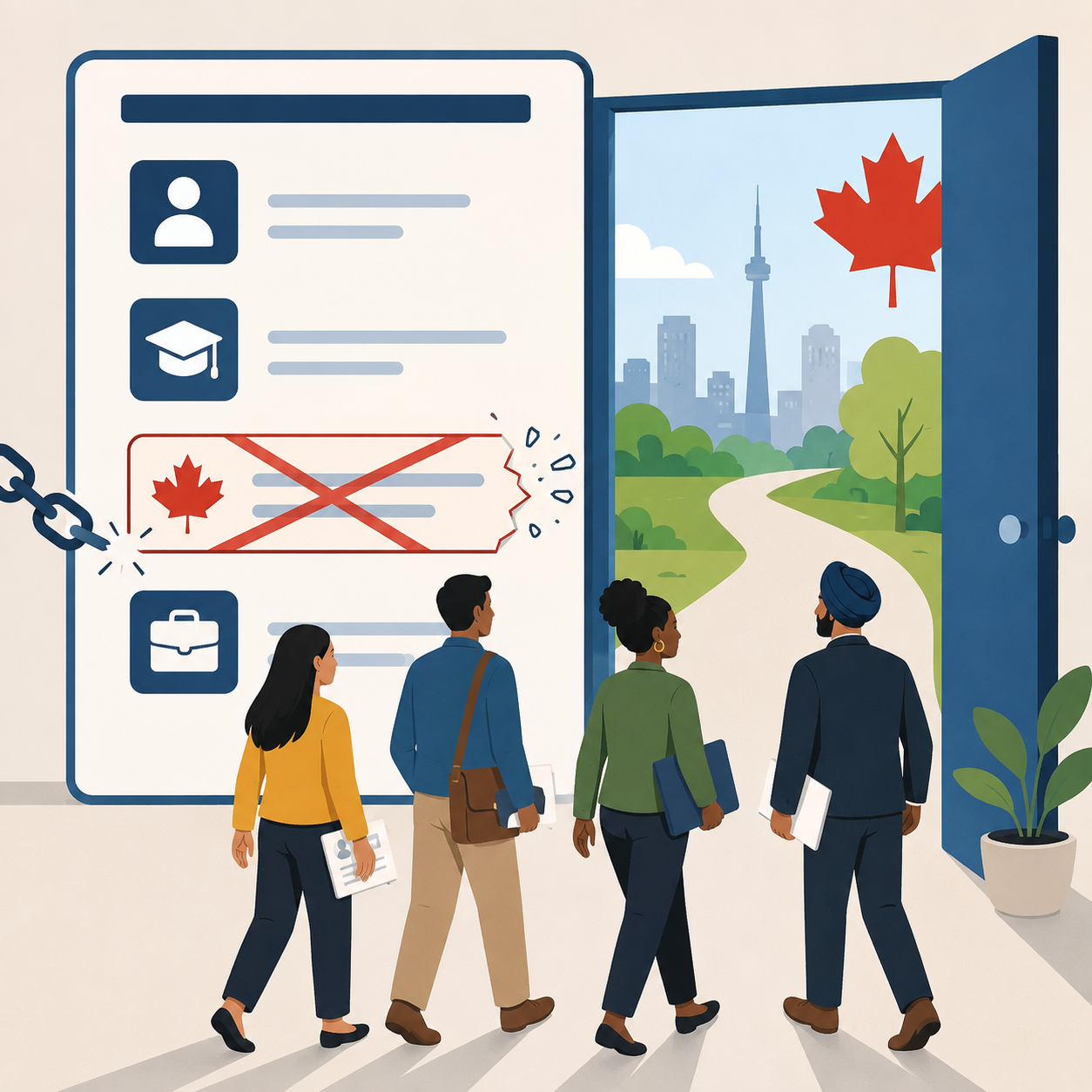
New Rule, Old Problem
Employers with 25 or more staff can no longer ask for Canadian work experience. Not in a job posting. Not on an application form. The change comes from Ontario's Employment Standards Act, the law that sets minimum workplace rules for the province.

London votes on October 26
London holds a municipal election on Monday, October 26. Here’s what you need to know.

Three tenths of a point
When the same survey measures the same inequality two ways and gets answers an order of magnitude apart, which answer should a service system act on?
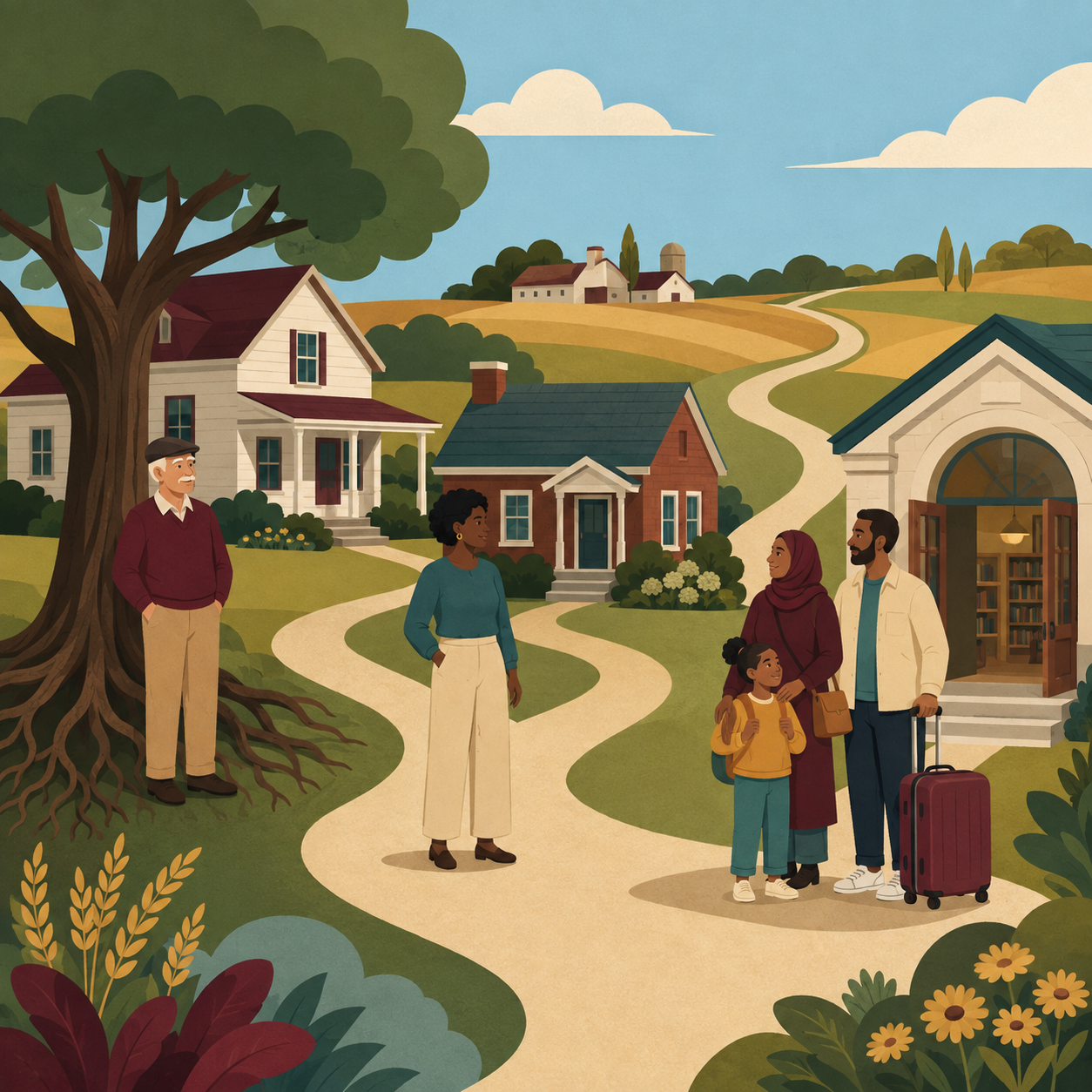
Who counts as new in Middlesex County
The last few issues of this series stayed inside London, working through the city one planning district at a time. This one crosses the city limit.

Which Door? Registering Your Child for School in London
Thames Valley schools open on Tuesday, September 8. If you arrived in London this year and have not registered your child yet, there is still time.

A degree, and a job that does not need one
London has two new job maps. The first counts everyone who has a job or is looking for one. That is the participation rate. The second counts the people who are looking but cannot find work. That is the unemployment rate.

Same heat, different experiences
Why last week's heat wave wasn't the same experience for everyone in Middlesex-London
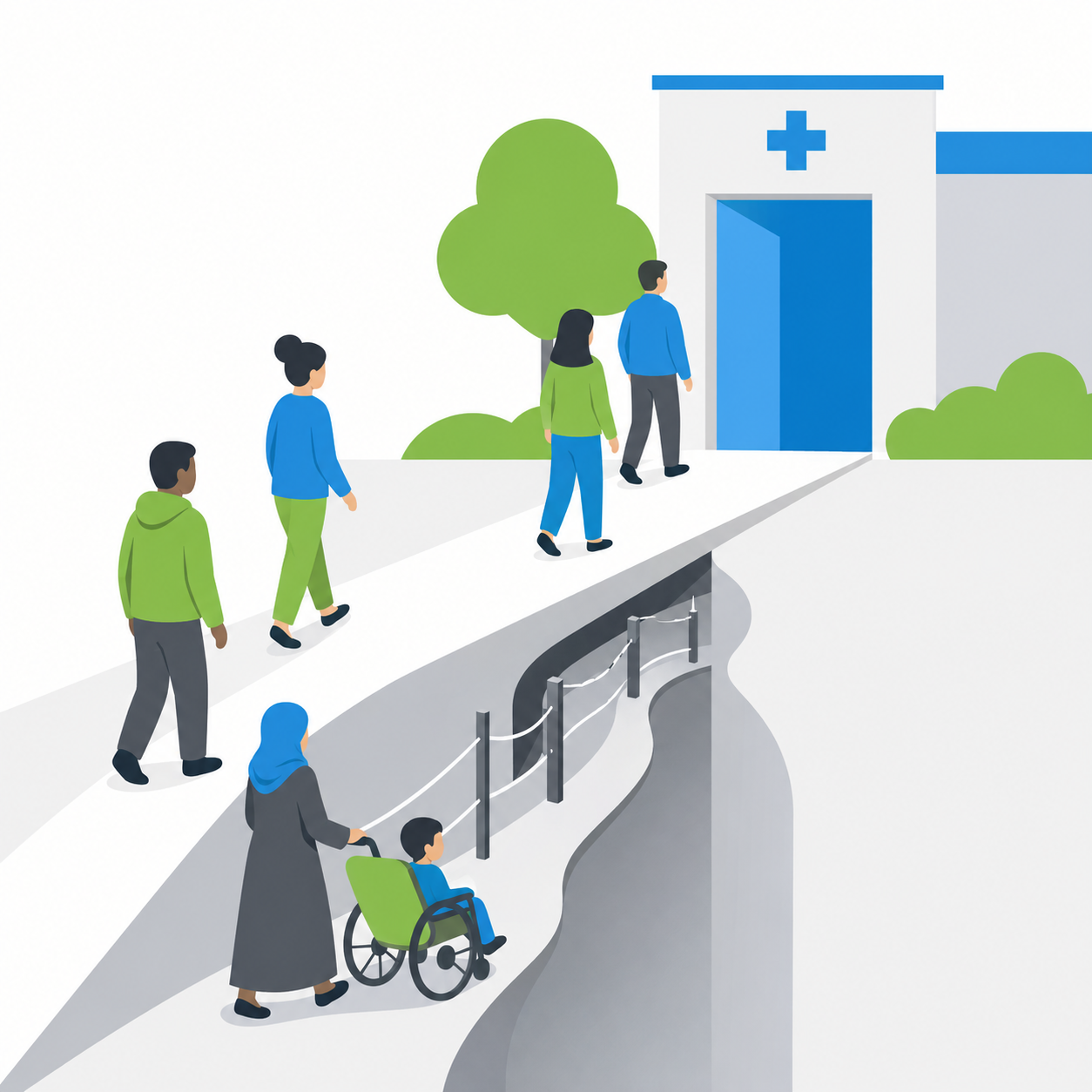
Same front door, different odds: who really struggles to find a doctor in Middlesex-London
While family doctors are the primary regular healthcare provider across all groups, immigrants and non-permanent residents—particularly those who are visible minorities—are more likely to have no regular healthcare provider and less likely to use alternative regular healthcare providers such as nurse practitioners or medical specialists.
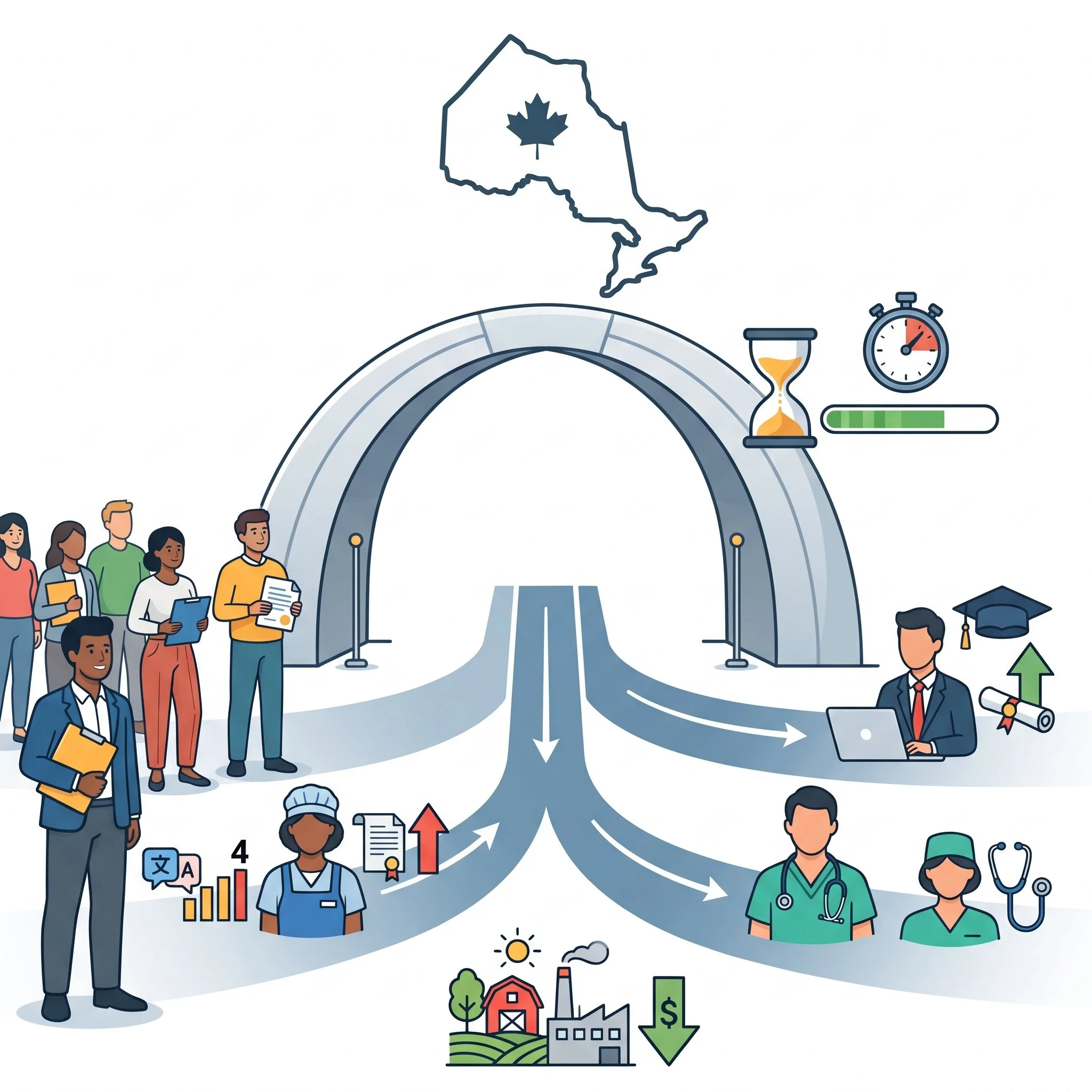
Ontario rebuilt the door on immigration. Let’s fill you in
You may have heard that Ontario shut down its immigration nominee program this summer. That is not accurate. Ontario closed eight old streams on June 25 and opened one new stream in their place. The door did not close. It changed shape, and applications are not open yet, so nothing needs to be filed today.
Here are six quick questions and answers about what changed.

The river has another name
Cross the Thames in London and you cross a river with an older name. Deshkan Ziibi. It means Antler River in the Anishinaabe language, and people used that name long before the city was built.
This month marks five years since another older name entered the citizenship oath.
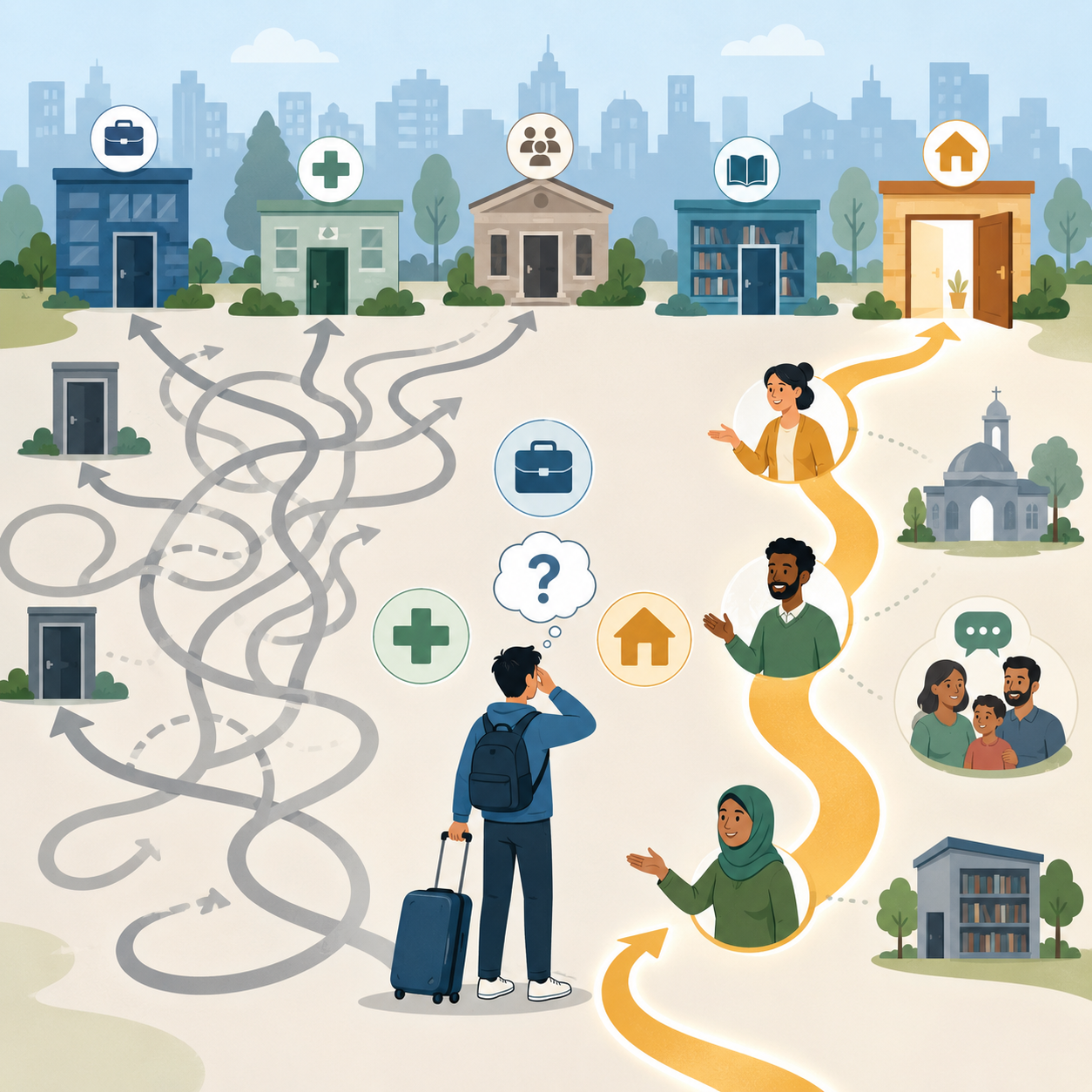
"Who do I even ask?"
A look at one fixable piece of the newcomer service gap in London-Middlesex.

Who feels at home in London-Middlesex
A new survey of newcomers in London-Middlesex looks, at first, like good news for those with the most education. Permanent residents with a graduate or professional degree report the most trust in their neighbours, the strongest sense of belonging, and the easiest time getting the services they need.
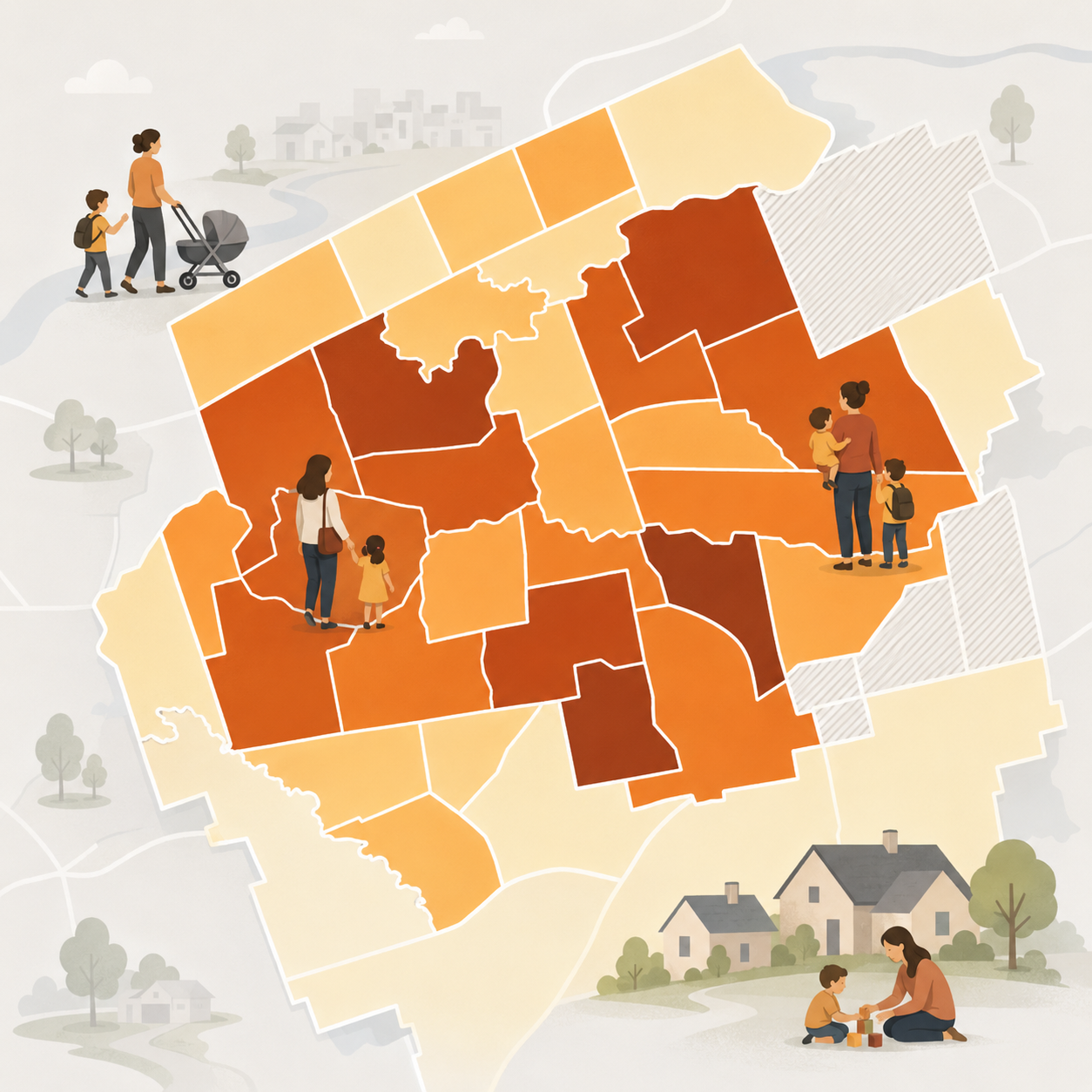
Where London's youngest children live
London's youngest children are not spread evenly across the city. They live in clusters. The 2021 Census counted children in every planning district, and the picture is clear: the most young children live in a handful of neighbourhoods across west, east and south London.

Learning together: a place to begin this June
June is National Indigenous History Month. June 21 is National Indigenous Peoples Day. The day began in 1996 and was given its current name in 2017, and this year marks the 30th time it has been held. It falls on the summer solstice, the longest day of the year. For many First Nations, Inuit and Métis communities, this time of year has long been a time to gather and celebrate.

Routes to Opportunity
What transportation data reveals about immigrants, newcomers, and access to work in London
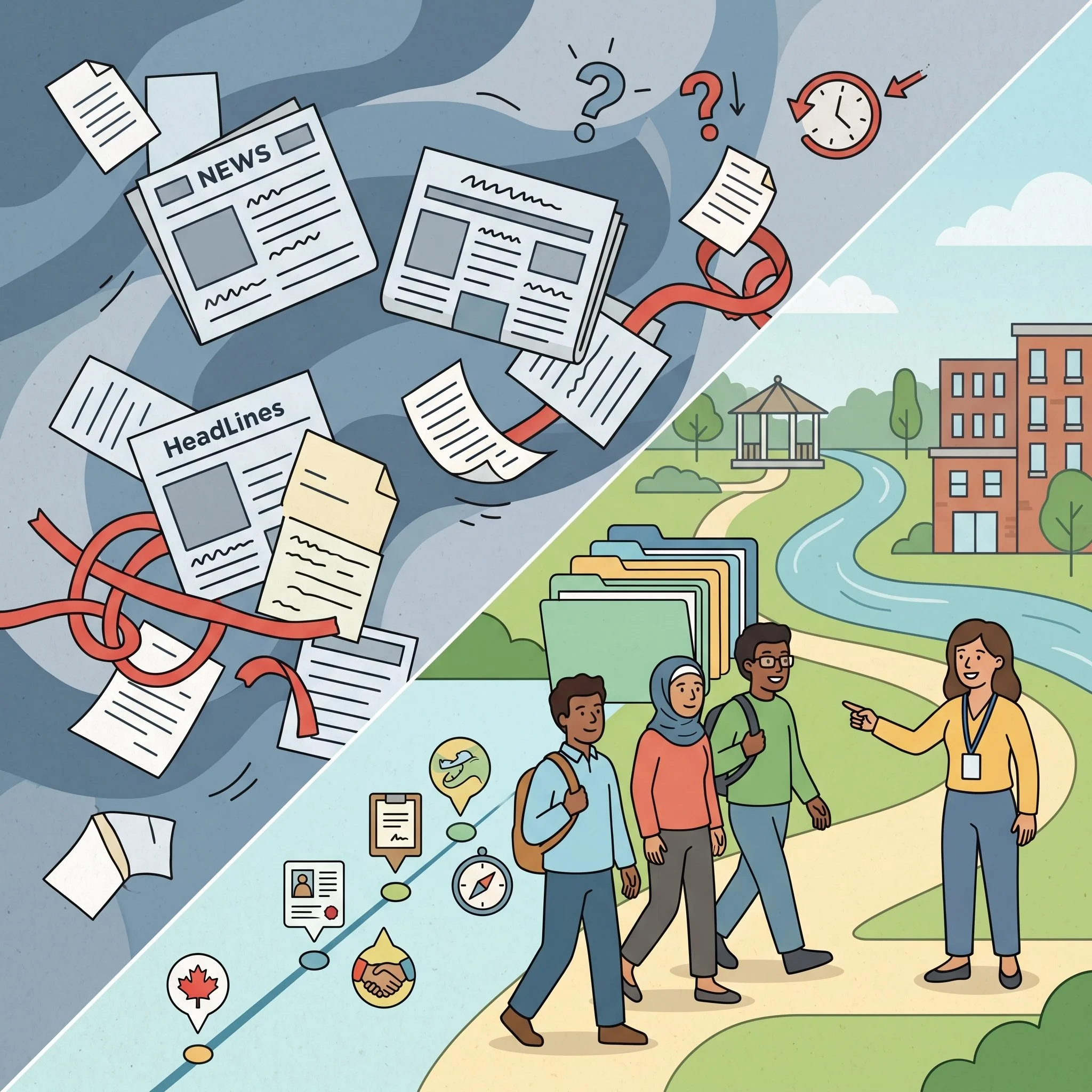
May 2026 Immigration Changes: A Plain-Language Guide for London-Middlesex
If you have seen headlines this month about Canadian immigration changes and you are not sure which ones apply to you, this guide is for you. May 2026 brought several federal and provincial announcements at once, and the news coverage has been confusing.

Who does London's welcome reach?
Think about what it means to trust your neighbours. Not deeply, just ordinarily; the low-level confidence that the people around you are generally on your side, that you can ask for directions, nod in the elevator, leave a note if your package arrives at the wrong door. It's a background hum most people don't notice until it's gone.
For many newcomers in London, that hum is present from early on. For others, it never quite starts.

London grew. Here's what actually drove it.
You may have seen the headlines: Canada's population actually shrank in the third quarter of 2025, the first time that had happened in decades. National news covered it. What those headlines mostly skipped was the London version of that story, and the London version is worth looking at closely.